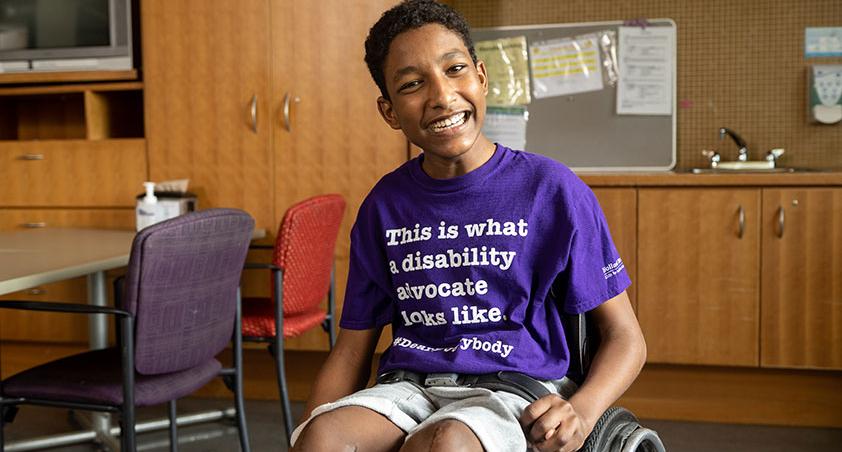
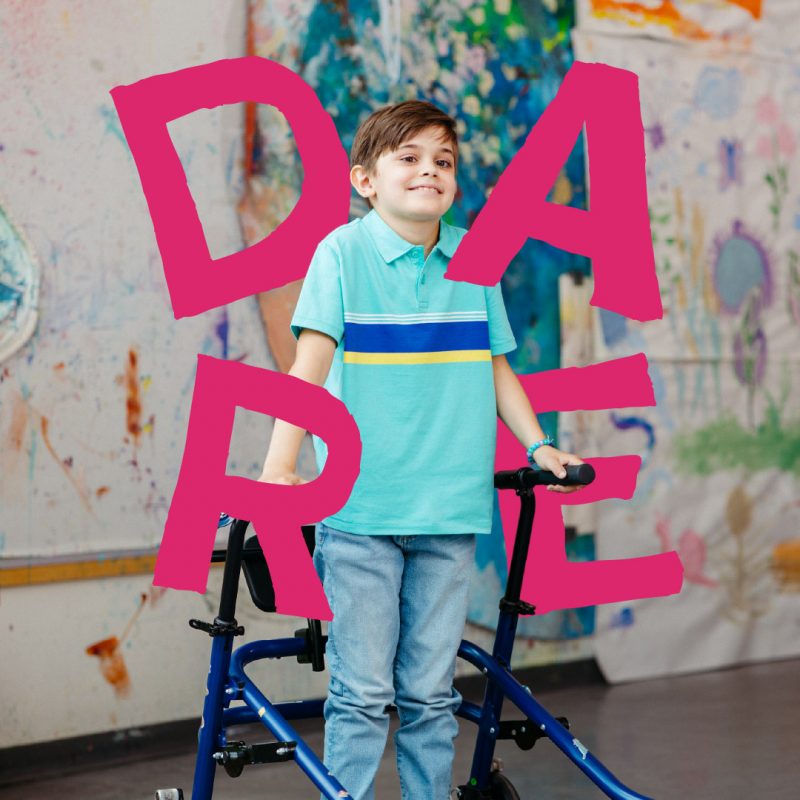
Holland Bloorview’s Disability Advocacy and Community Outreach

What is this project about?

Children, youth and adults with disabilities and developmental differences face ableism and social and economic exclusion in their daily lives. Studies show that students living with disabilities do not have equal access to educational opportunities because of inadequate funding, physical inaccessibility and negative attitudes, while adults with disabilities have lower employment rates and are more likely to experience poverty.

Holland Bloorview’s Advocacy & Community Outreach program partners with individuals with lived experience to co-design and deliver anti-stigma, inclusion-building activities and resources in schools and workplaces. This program empowers youth with disabilities to advocate for system change and helps students, educators and employers understand the impacts of ableism and learn practical action steps to promote inclusion.

Funding will support outreach to more schools, workplaces and community groups and increase the number of partnerships with educational and healthcare organizations. It will also engage more youth and families with lived experience to co-create and deliver education sessions and resources like videos, tip sheets and e-learning modules to schools, employers and community organizations, promoting inclusion everywhere.

Why is this project important to the community?

Persons living with disability routinely face ableism and social and economic exclusion. These national and provincial reports illustrate the scope of the inclusion challenge:
• “…many students with disabilities do not have equal access to educational opportunities in Ontario, either at the primary and secondary, or at the post-secondary level. The key barriers are inadequate funding, physical inaccessibility, cumbersome and time-consuming accommodation processes, negative attitudes and stereotypes, and a lack of understanding of the rights and responsibilities of all parties…”
• “Students with disabilities continue to confront numerous barriers in Ontario’s publicly funded school system. Such barriers impede students with disabilities from fully participating in and benefitting from an accessible, equitable, and inclusive education system in Ontario.”
• 30% of persons with disabilities report being treated badly or differently, often, because of ideas, beliefs or attitudes that others have about disabilities”
• Canadians with disabilities have lower employment rates than those without disabilities – 61.8% as reported in the 2022 Canadian Survey on Disability compared to 77.8% in the general population. Employment rates of individuals with severe and very severe disabilities (such as intellectual/developmental disabilities and autism are the lowest) at 54.5% and 29.9% respectively.
• Education, social inclusion, employment and income are social determinants of health that influence the overall health and wellbeing of individuals with disabilities

By sharing lived experiences and expertise with the broader community, we can continue to dismantle ableism and create a more accessible and inclusive society for all.

Together with our clients and their families, we advocate for disability inclusion in community, schools, workplaces, and more.

Target Completion Date
March 31, 2028
Location
150 Kilgour Road
Toronto
M4G1R8

support

Rally Behind a Great Idea

Your voice matters. Show your support for submitted projects by leaving a comment, sharing your story or photo, or posting to social media. Every bit of encouragement helps communities grow stronger together.